We are living in strange times.
Last week, I was in New York City with a friend. We stood in line outside a ‘popular’ bakery for a hot cinnamon bun. It was raining, we somehow managed to get inside without getting soaked, placed our order, and looked around for a place to sit.
There was none.
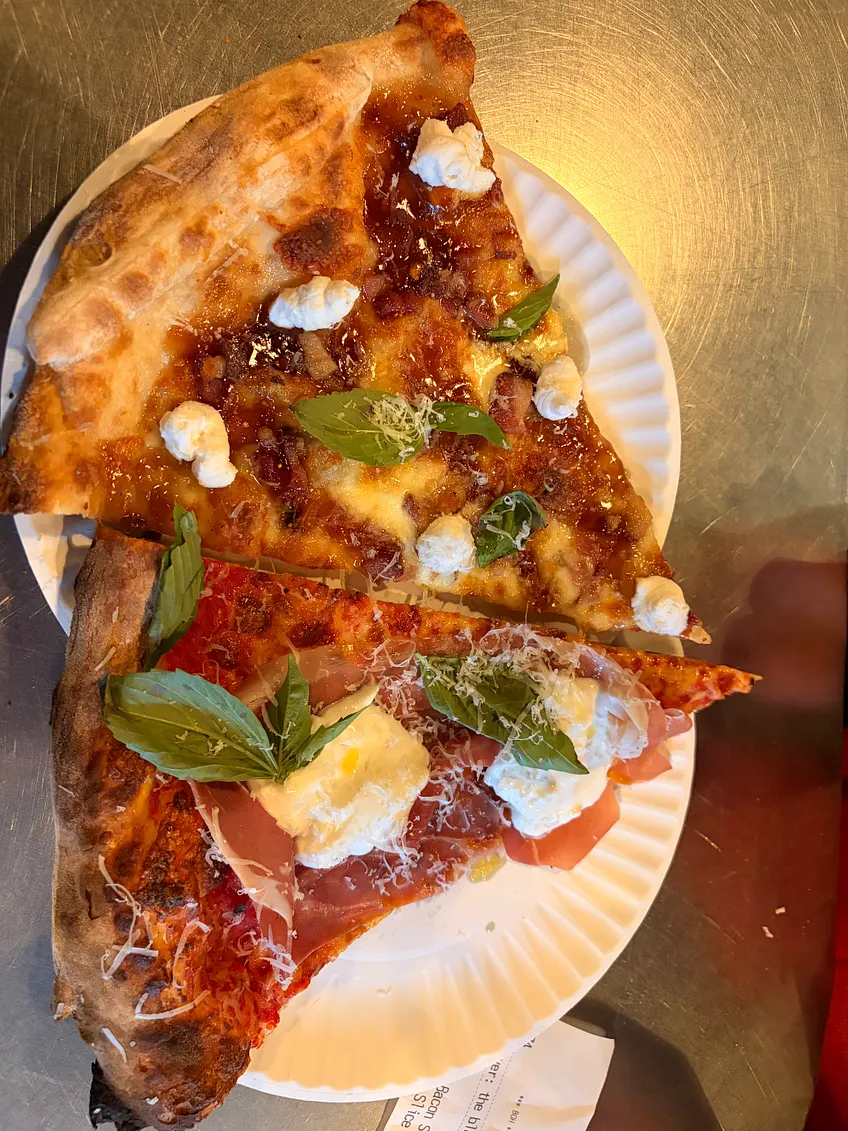
I found a tiny corner near a pillar with a tiny spot to hold a plate. When our order arrived, the warm cinnamon bun was served on a paper plate, my drink came in a plastic cup, and we had to use plastic cutlery to eat focaccia bread. Imagine cutting a focaccia bread with a plastic knife, that knife was showing off its moves.. bending and dancing and cutting the bread wherever it pleased rather than where we wanted it to. All this..while also struggling to hold our bags, making sure the plate doesn’t tip and fall. Somehow we managed to finish our food and left the bakery.
To be honest, we were relieved to step outside and breathe in some fresh air.
I have no clue how the food tasted.
In the name of convenience and in the concept of saving time we seem to be losing the pleasure of eating. What happened to real plates, spoons, and knives? Why are we served food in takeaway containers, even after saying we’re here to dine-in?
What Happened to Plates?
New York City is one of the top food capitals in the world, and it is also one of my favorite cities in the world. Restaurants, cafés, bakeries, pubs, and food carts line its streets, with several competing for attention on the same block. There is something for everyone and the sheer variety is wonderful.
Yet, some of the most talked-about food destinations seem to offer very little room for the actual experience of eating.
Why is the food that is being served treated with such little consideration? I will go as far as to say with disrespect. What is with all these doggy bags, paper boxes, plastic containers?
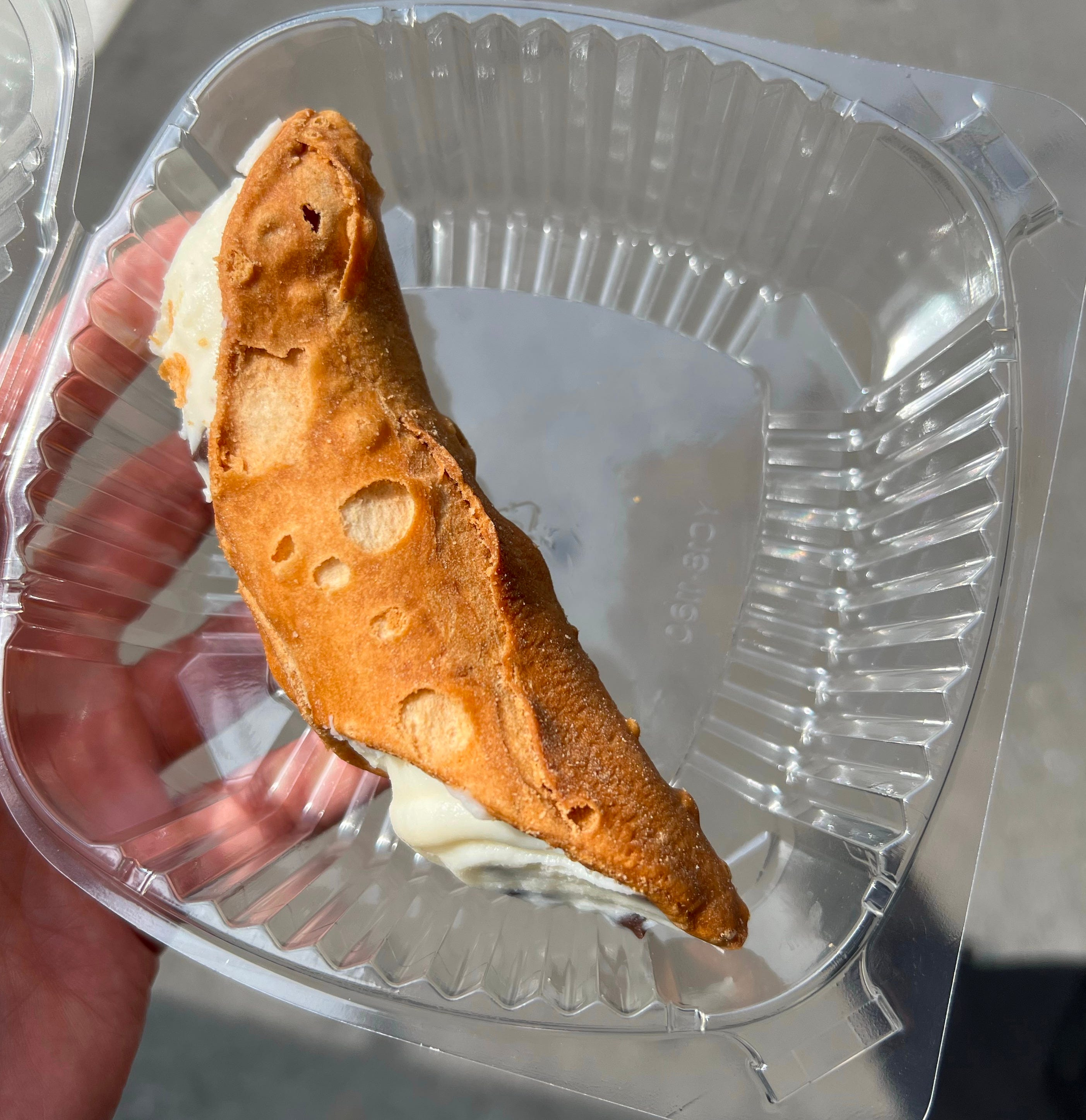
People travel across cities, sometimes across countries, to visit a famous bakery or the most talked about restaurant. They walk for miles, take the subway, and stand in queues that stretch outside the door, in the sun, in the rain. They do all this because they want to experience something extraordinary, something they have seen and heard so much about from friends, the internet, or viral reels.
What happens when they finally get there?
After standing and waiting for hours, they order their food. Their food is handed to them in a paper bag or a disposable container, and then they discover there are no tables, no chairs. There is nowhere to sit. Are we expected to stand and eat, or simply leave?
If we’re lucky, we might find a tiny ledge or an overcrowded table. Otherwise, we are left standing in a corner, trying to eat while people squeeze past us.
How are you supposed to enjoy the food in all this chaos and commotion?
I understand that popular places get busy. I also understand that rent in NYC is expensive, that businesses need to make profits, and that not every restaurant or café can accommodate a large dining area. Nor do I expect every place to offer a fine-dining experience.
But when a place becomes famous for its food, shouldn’t the experience of eating that food matter, too?
Problem with the hype: When food becomes content
Social media has changed the way we discover food. In the fast-paced era of TikTok, Insta reels, Youtube Shorts, swipe and scroll generation, food is also being consumed quickly. Food is being sold as a product in plastic and paper bags.
Again the question arises. Well, it’s hard not to keep asking: what really happened to the vintage floral crockery, gleam of silverware, earthy stoneware, textured glassware and serving ware, crispness of cloth napkins, and the need for a table and a chair to sit on while eating?
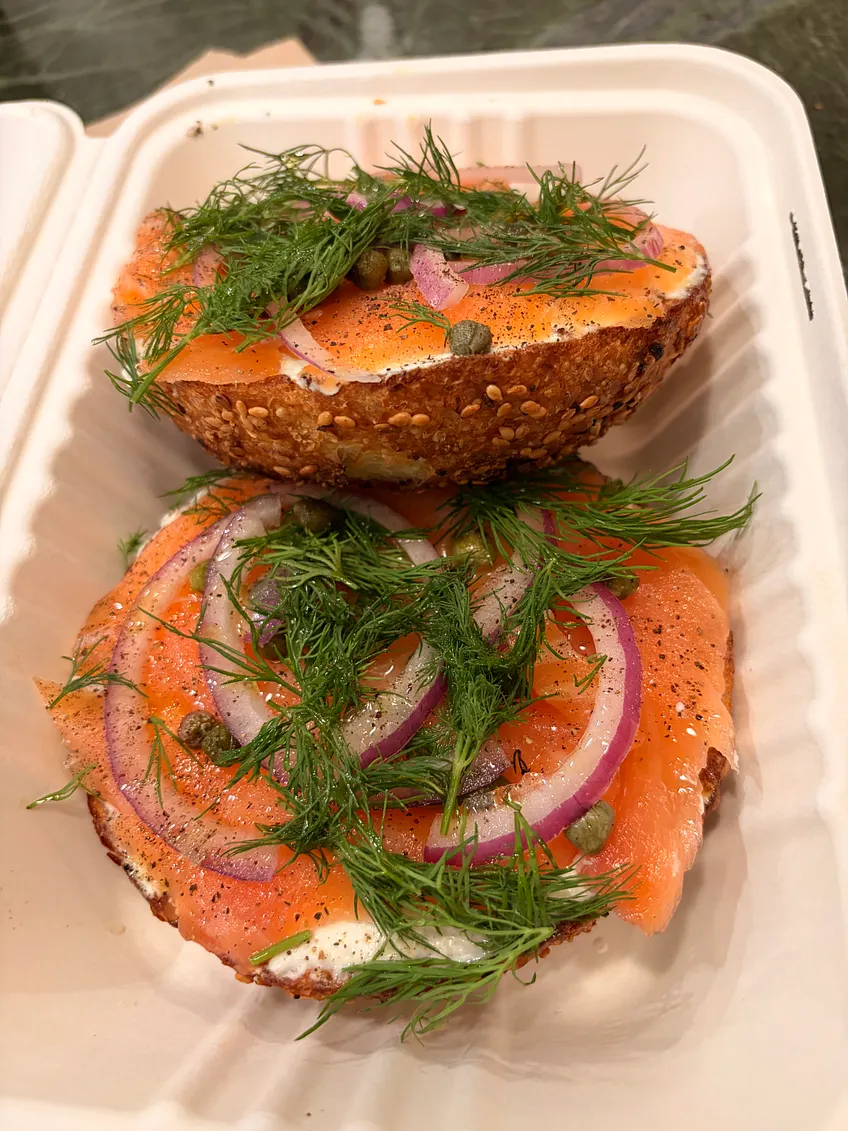
YouTube, Instagram, and TikTok are filled with videos promising the Top 5 Places to Eat in NYC, the 10 Best Bakeries in New York, the Best Bagel in the City, Best Coffee in Times Square, Best Pizza, Cute Cafes of Manhattan, or the latest viral ube ice cream spot.
There are hundreds of videos that one can find on the same topic. As an influencer, you have successfully done your job. You have got your thousands and millions of views, now people are flocking to these #bestbakeries and #bestcoffeeshops. Everyone wants to try the best chocolate cookie in the world, people are lining up outside these places, people are eager to experience the best experience.
There is nothing inherently wrong with this. Discovering a wonderful little bakery through someone’s recommendation can be a delight. Social media can introduce us to places we might never have found otherwise.
But what happens when the hype outgrows the place itself.
Imagine this.
You have been standing in line for nearly an hour. When you finally reach the counter, you are greeted by a tired server who needs you to be quick in making your decision. You quickly pick whatever was supposedly the best,
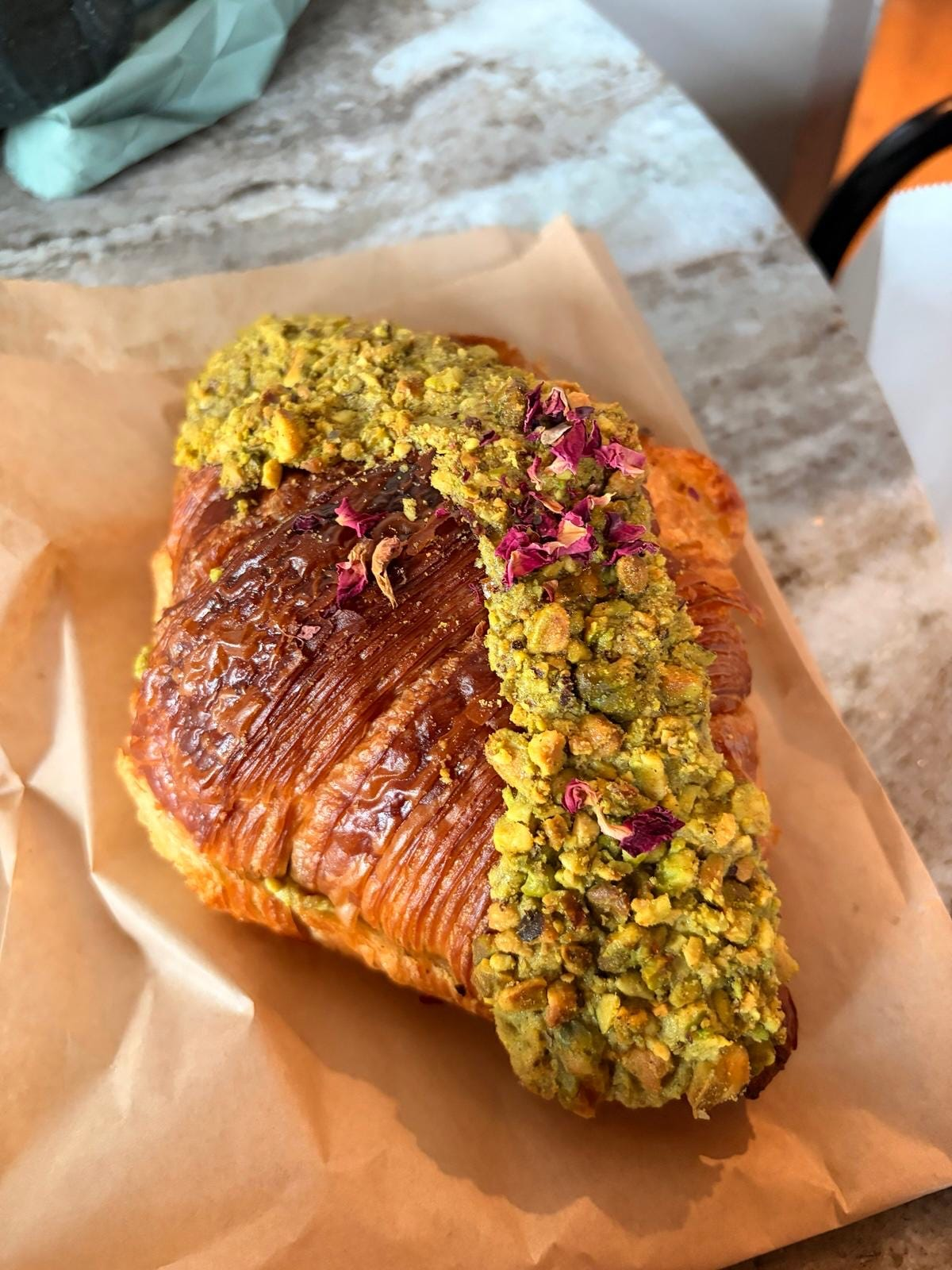
“Hi, can I have a pistachio rose croissant please?”
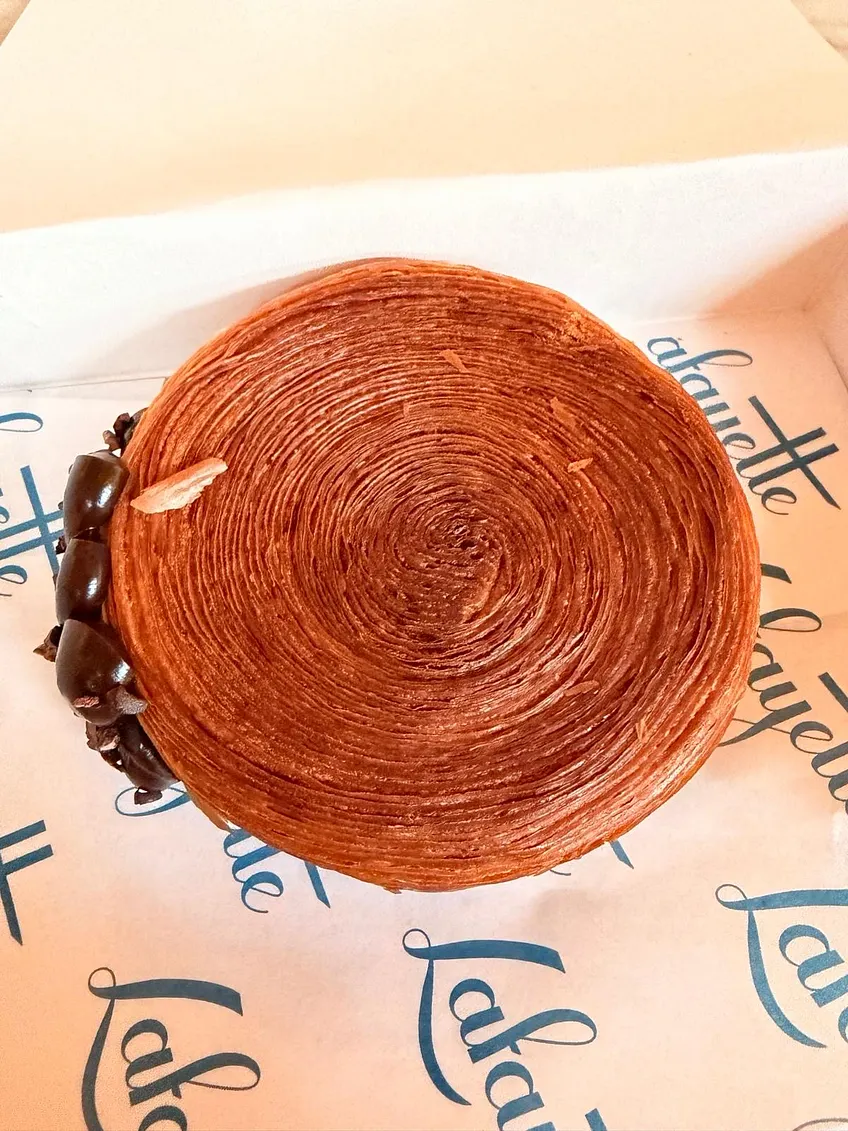
The person behind the counter robotically picks up the visually attractive-instagrammable-photogenic croissant with a pair of tongs wearing plastic gloves and puts it in a brown paper bag, pushes it towards you across the counter, and finally looks up at your face to ask,
“That’d be all for you?”
You nod. The price of the croissant shows up on a screen $10, you tap your card, the screen presents percentages of tip: 25%, 20%, or 18%. You select the percentage and decline the receipt, by then the server has walked away to serve the person behind you.
You go hunting for napkins and cutlery, then you find some plastic utensils, and then scan the room for a place to eat your beautiful croissant which is sitting inside a paper bag with some of the pistachio cream smeared across the insides and those precious rose petals stuck to the paper.
You continue scanning the place, hoping to find a seat that you can jump on before someone else occupies it. Nothing. You wait, hoping someone will rise, you put subtle pressure on the couple enjoying their drink, stare at a large group of six people squeezed around a small table for two with some perched on the window ledge.
People are crammed in a tiny space, eating pastries and morning buns, drinking iced coffee and matcha lattes with barely any room to breathe. There are wet umbrellas leaning against the tables, damp hanging jackets behind chairs. You squeeze past all this and find a free spot by a wall to stand without being in anyone’s way and pull the croissant out of the paper bag and quickly bite into it.
It is crusty, flaky… oops the paper napkin slips from your hand, you bend to pick it up while balancing the croissant in your hand, and holding on to your handbag or other belongings that you would probably carry while traveling.
You look at the croissant for a brief moment, then glance around the room again, still looking for a place to sit. You take another bite, trying to focus on the pistachio filling. You want to savor the flavor, but you are distracted by the noise, by the people trying to get past you.
Before you know it the croissant is gone, you ate it without really tasting it, without really remembering what you ate.
Once done, you try to find a washroom to wash the oily cream off your hands but this palace ain’t got one. So you make do with a napkin and then look for a trash can to dump your brown paper bag and used tissues. You apologize to the people eating beside the bin to excuse you so you can throw your waste. Yes, people are eating right next to the trash can.
And then you leave.
Perhaps you feel happy that you can finally cross the bakery off your list. Perhaps you even took a photograph to prove you were there. But are you leaving with the memory of a wonderful meal, or simply the satisfaction of having visited another famous place?
Was it worth the hype?
Maybe. It should have been.. since the place was so crowded. But is this what it means to be eating from all the famous trending places in a city?
Seriously Whatever Happened to the Plate and Chair?
We work to earn money so as to meet our basic needs: food, shelter, and clothing. Food being the most essential need for our survival, it is also one of life’s simplest pleasures. It brings people together, marks celebrations, comforts us on difficult days, and gives us a reason to sit down with someone and talk.
So why have we become so willing to treat it as something to be consumed as quickly as possible?
I keep thinking about the young girl I saw standing in a corner with her food resting on a stainless-steel trash can because she had nowhere else to put it.
How were the people running that bakery okay with this? Is this how we are going to eat? How did something like this become acceptable?
Carrying food in doggy bags? In plastic containers? Hot coffee and tea served in paper cups with a layer of oily wax floating at the top? If the food is not a take-away and is being consumed inside the restaurant, why is it not being served in decent utensils?
I am not arguing against takeaway food. Paper bags and disposable containers have their place, especially when we are taking food home or eating on the go. Nor is convenience itself the enemy.
My question is this: When did convenience become more important than the experience?
Can we slow down long enough to taste our food?
Perhaps this is what bothers me most. In a world where everything is moving faster and faster, we are always running, but what are we running towards that even eating seems to have become another task to complete.
We scroll while waiting for our food. We photograph it when it arrives. We post it, share it, rate it, and move on to the next recommendation. We want to experience everything that is popular, everything that is supposedly the best. But in the process, are we actually experiencing any of it?
We need to go back to experiencing the simple pleasure of sitting by a window, ordering a meal, and being greeted by not an overworked server who smiles and engages in a conversation before taking an order. Watching the food arrive at the table, noticing its aroma, and taking time to appreciate its presentation before tasting it.
Let’s return to the croissant. A freshly baked croissant, you peel its delicate layers, breathe in the buttery aroma, bite in its crisp crust, taste the filling, notice the contrast in textures, and let the flavours linger. Perhaps you close your eyes and hum with satisfaction. Perhaps you smile at the person across the table.
This experience should not be reserved only for fine-dining. These are not luxuries reserved for the extraordinary, but little thoughtfulness in the way we serve to make an ordinary meal feel special. Food in all forms whether simple or extravagant, need not cost a fortune to be enjoyed. It simply requires us to be present.
If we cannot slow down to enjoy a croissant, what exactly are we rushing towards?
#WeCanDoBetter